Influencers Are Out, Communities Are In: How to Build a Brand People Want to Belong To

The influencer-driven landscape is shifting, and fast. Not long ago, we relied on creators to tell us what to buy, wear, watch, read, and try. But the mood has changed. Audiences want something deeper from both brands and creators: a sense of belonging and a place to feel understood.

If the post-pandemic years have taught us anything, it’s this: people are lonelier than ever. We’re craving book clubs, run clubs, pilates classes, co-working groups - anything that makes us feel a little more human and a little less like we’re experiencing life through a screen.

So, you want to build a community-first brand? One that feels like stepping into a warm, familiar home. One that carries the energy of that rare moment when all your friends are in the same room, laughing at the same joke. It’s a powerful ambition, and the good news is that it’s very likely what your customers are already looking for.

Building it is far more straightforward than you might think, so let’s dive in.


How Glossier Won the Internet.

If there’s one brand that cracked the community code long before it became a buzzword, it’s Glossier. What started as a beauty blog, Into the Gloss, evolved into a brand that didn’t just sell products, but built a world people genuinely wanted to be part of.

Glossier didn’t rely on polished campaigns or glossy, unattainable beauty standards. Instead, they tapped directly into what their Gen-Z audience cared about: authenticity, intimacy, and self-expression. They invited real customers into the spotlight and let their stories shape the brand’s identity.

If you scroll through their socials, you’ll notice something important: the community is the content. Bedroom makeup tutorials. Candid selfies. Store walk-throughs filmed by customers. Everything feels warm, familiar, and human - like a friend showing you their new favourite product.

This wasn’t accidental. Glossier understood the emotional landscape of their audience long before “community-led” became a marketing strategy. They recognised what their customers wanted to see, how they wanted to feel, and what they valued in their day-to-day lives. And by designing a brand that reflected that back to them, they built a following that doesn’t just buy - it shows up, participates, and advocates.
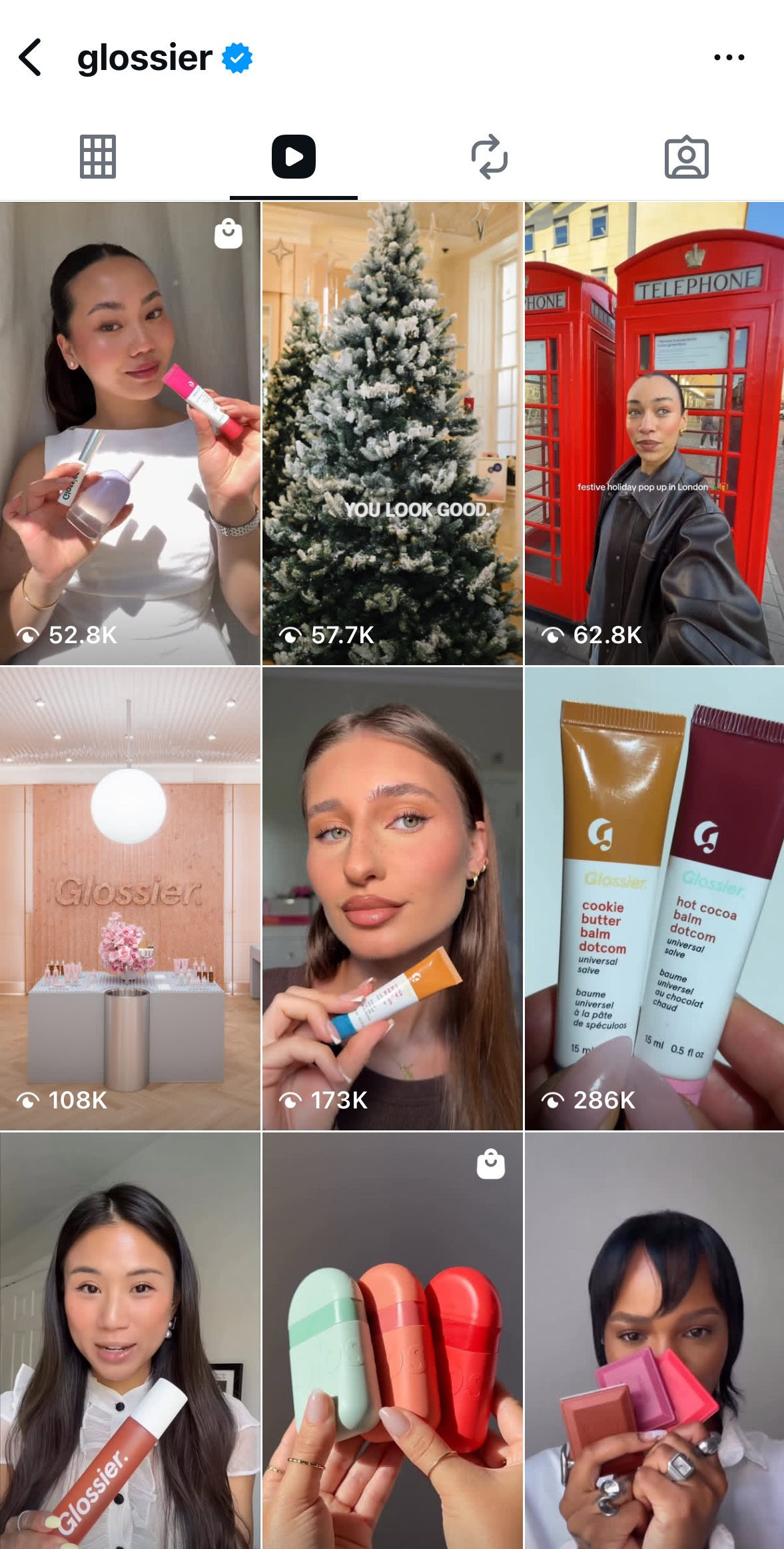
So what can you take from their success? Community isn’t something you bolt onto your brand. It grows out of deep audience understanding. You need to know:

  • What frustrates them

  • What they’re looking for (that they can’t find elsewhere)

  • How they spend their time

  • What they value, believe, and care about

When you have that clarity, building a community stops feeling like guesswork. It becomes the natural next step and a space your audience is excited to be.


Build the Community They Want.

Once you know your audience and your purpose, the next step is deciding where and how your community will gather. This means getting specific about the experience you want members to have.

Do you want your community to feel intimate and interactive, or more aspirational and observational? Should it exist online, offline, or both? Here are some formats to consider:

  • In-person gatherings – workshops, pop-ups, classes, VIP events. Nothing beats the energy and immediacy of face-to-face connection.

  • Online spaces – forums, Threads, Discord or Circle channels. This is great for regular interaction, broad reach, and becoming a part of your communites’ everyday.

  • Hybrid experiences – webinars, online workshops, or live-streamed events combined with in-person meetups. An option that suits everyone and can reach your local, and global, audience.
The key is consistency. If you choose an online community, ensure it’s moderated, welcoming, and active. If you go in-person, make each gathering feel intentional, valuable, and memorable. Communities thrive when people want to return, not when they feel obliged.


Give More Than You Take.

One of the biggest mistakes brands make when building communities is turning every interaction into a sales pitch. Your audience doesn’t join a community to be sold to - they join for connection, insight, and support.

Think about what you can offer that genuinely enhances your members’ lives. Is it educational - with tutorials, insights and skill-sharing; is it purely for connection - meeting spaces or events that spark new friendships; or is it for exclusive access - members feeling like they’re true VIPs with early-access to new products and services, and member-only content.

Establishing value at the core of your offering is how you build trust. When they know you’re focused on them and their needs, loyalty and advocacy come naturally.


The Backstage Pass.

A community becomes meaningful when people feel comfortable enough to participate — when they don’t just watch from the sidelines, but genuinely feel part of what you’re building. That sense of aliveness doesn’t happen by accident; it’s created through transparency, involvement, and a brand that treats its customers as contributors, not passive consumers.

A brilliant example of this done well is TALA. From the very beginning, founder Grace Beverley invited her audience into the evolution of the brand. She didn’t showcase TALA as as perfect and finished. Instead, she invited people behind the scenes, sharing the process - the experiments, challenges and achievements along the way.

When the website crashed on launch day, customers heard about it firsthand. When new products were being developed, TALA asked people directly what they wanted. When the brand opened its first store on Carnaby Street, the celebration felt collective - a milestone not just for the business, but for the community that had shaped it.

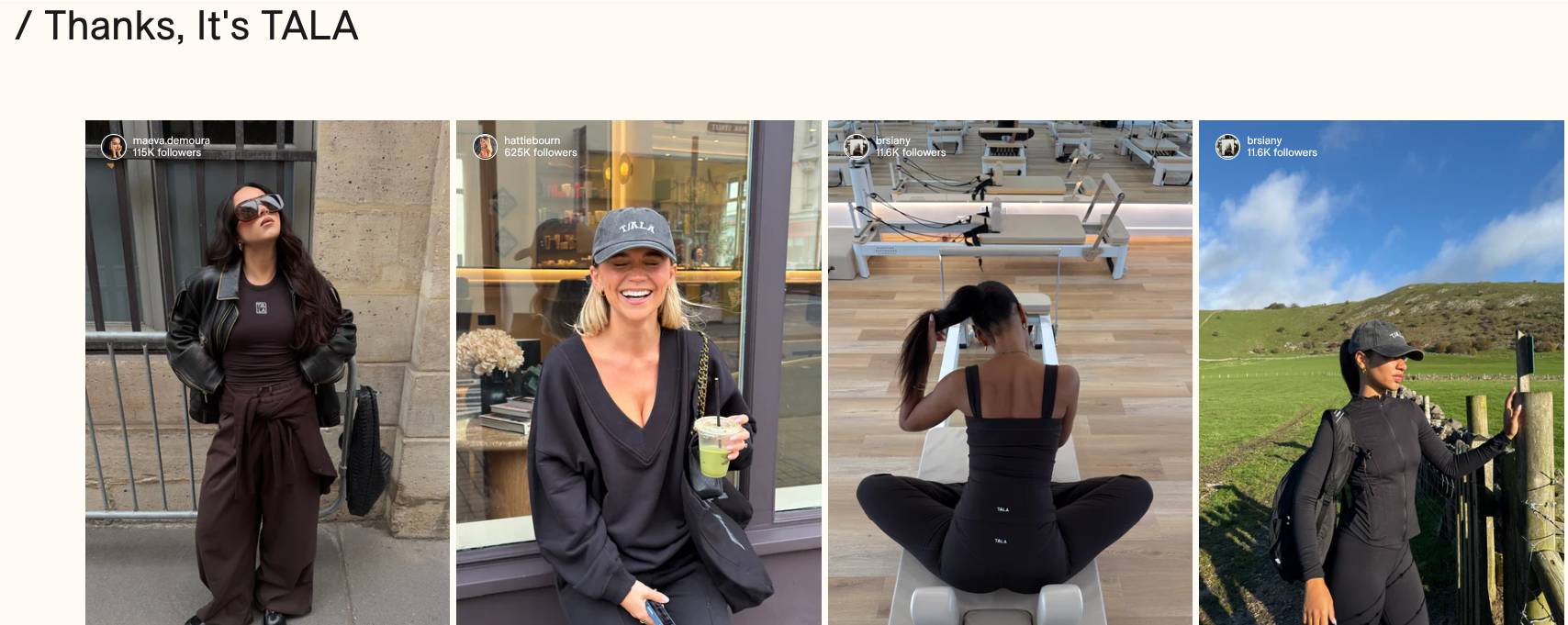
And all throughout their content, you see the same theme: real customers, in real clothes, living real lives. This is not influencer-led promotion. It’s community-centred storytelling. TALA’s audience doesn’t just buy the product; they see themselves reflected in it. They feel part of its growth, part of its narrative, and part of something bigger than a brand alone.

That’s the power of bringing people along for the journey - they don’t just follow you; they help you build what comes next.


Consistency Builds Connection.

Communities aren’t built in a weekend. They grow gradually, often quietly, through steady presence and genuine care. If you want to build a meaningful community in 2026, you need to show up - even on the days when engagement feels low or growth feels slow.

Think of it like hosting a weekly gathering: people come back because they trust that you’ll be there, that something meaningful will happen, and that it’s worth their time.

As you grow, your community stops being something you run, and becomes something people belong to. That shift only happens when you’ve given it time, attention, and commitment.


Evolving With Your People.

A meaningful community isn’t static. Your members will change, their needs will shift, and the cultural landscape around them will evolve, and your community has to move with with the times.

That might mean trying new formats, refreshing your content approach, introducing new experiences, or simply asking them:“what do you need from us right now?”

The best communities feel fluid and responsive. People stay not because everything is perfect, but because they feel like they’re with a group of people who are growing alongside them.


In 2026, Community Isn’t a Trend - It’s a Strategy.

A following watches, but a community cares. And nothing measures true brand success as a loyal community who are on the journey with you. If you’re ready to put community at the heart of your brand in 2026, let’s make it happen - get in touch today to start building yours.

Next
Next

Making Your Brand Memorable: How to Stay Recognisable Across Every Channel